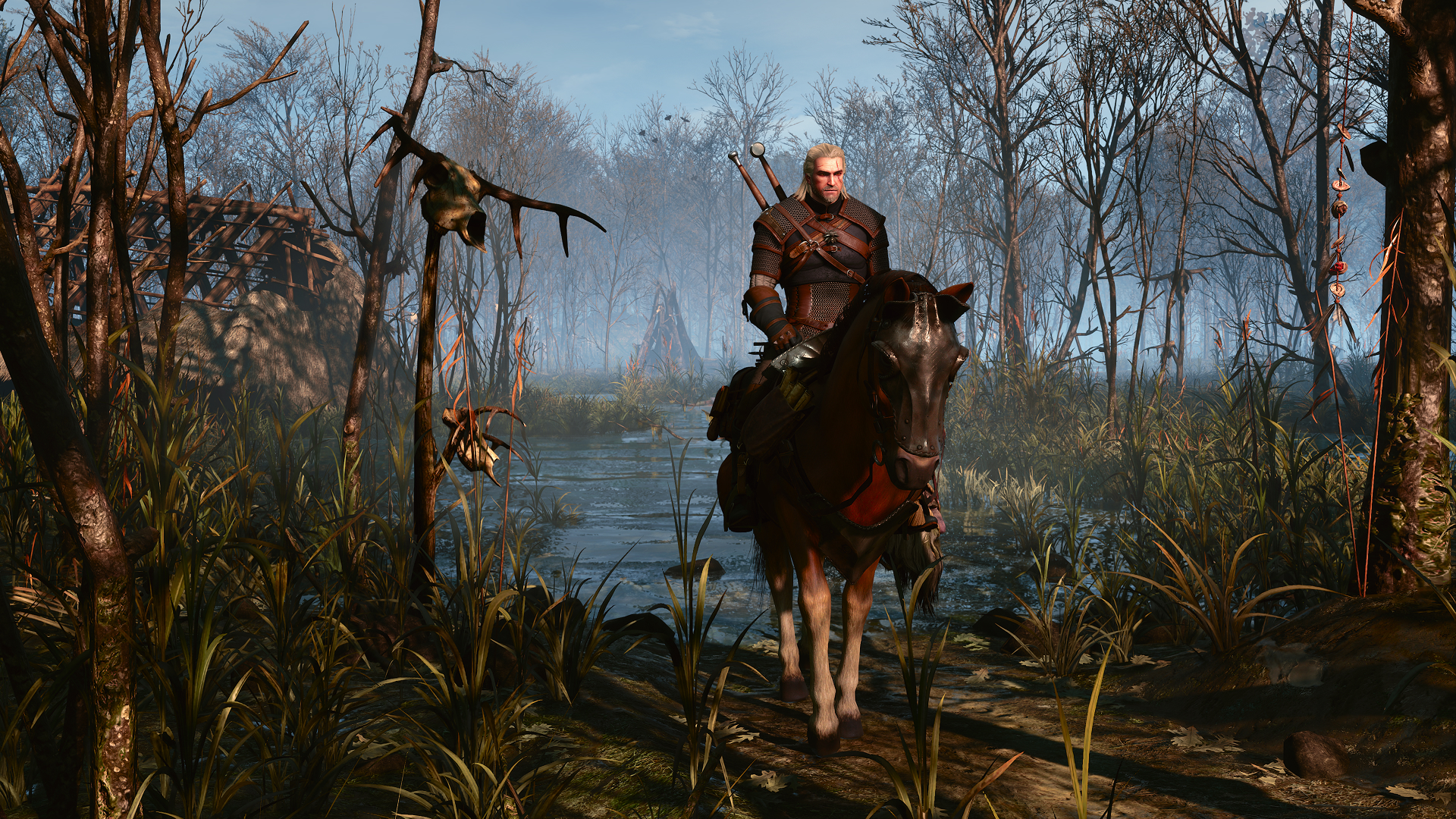
The Witcher 3 Remastered vs Original: Key Differences Explained
Discover the major upgrades in The Witcher 3 Remastered vs original version. Explore graphical enhancements, new gameplay features, and platform performance.
Updated: The Witcher 3 Wiki Editorial Team
Table of Contents
The gaming world is buzzing as players prepare to step back into the shoes of Geralt of Rivia. With the release of the latest update, the debate surrounding The Witcher 3 Remastered vs original version has reached a fever pitch, leaving many fans wondering if the technical leaps justify a fresh playthrough. This comprehensive guide breaks down exactly what has changed and why these updates matter for your experience on the Continent.
Whether you are a veteran of the franchise or a newcomer, understanding the evolution of this title is essential. We have analyzed the core technical shifts and gameplay adjustments to help you decide how to approach your next adventure.
Visual Fidelity and Technical Overhaul
The most immediate change players will notice is the jump in visual quality. CD Projekt Red has implemented significant rendering improvements that bridge the gap between the aging original release and modern hardware capabilities. The transition to a DirectX 12-only environment on PC is a cornerstone of this change, allowing for more efficient resource management and support for advanced lighting models.
Key Graphical Upgrades
The integration of path tracing and enhanced ray tracing expands the lighting options. Keep the editions separate: the 2015 original used rasterized rendering, while the 2022 next-gen update already added ray tracing. Remastered adds further rendering features; it is not the first Witcher 3 release with ray tracing.
Feature
Original Version
Remastered Version
Rendering API
DX11 in 2015; DX11 / DX12 in the next-gen PC update
DX12 Exclusive
Lighting
Rasterized lighting; ray tracing added in the next-gen update
Path Tracing & Ray Tracing
Hair/Beard
HairWorks
Ray-Traced HairWorks lighting and shading, not a new physics system
Color Palette
Original Warm Tone
Enhanced HDR Profile
Tip
Optimizing PC Settings
If you are experiencing performance dips, prioritize enabling DLSS 4.5 or FSR 4.0 before cranking up path tracing. These upscaling technologies are critical for maintaining a stable frame rate at 4K resolution.
Gameplay and Quality-of-Life Improvements
It is not just about looks; the developers have overhauled how you interact with the world. Community reports suggest that the unified map and journal system significantly reduces the time players spend navigating clunky menus. The new smart filter system allows for proximity-based objective tracking, ensuring you never miss a side quest while exploring the vast open world.
Combat and Camera Dynamics
Combat has received a major refresh, particularly with the new adaptive camera. The camera now shifts dynamically based on the number of enemies surrounding Geralt, making swordplay feel more cinematic and less restrictive than the fixed perspective of the original release.
Adaptive Combat Camera: Seamlessly zooms in or out depending on encounter scale.
Sign Casting: Improved fluid animations allow for faster switching between signs and melee attacks.
Motion Blur: Reworked to provide a more natural sense of speed while traveling on Roach.
Performance Targets Across Platforms
Performance expectations differ significantly based on your hardware. While the PC version offers the most customization, console users are seeing massive gains, particularly on high-end hardware like the PS5 Pro and the upcoming Switch 2.
Target Performance Metrics
According to technical breakdowns and developer insights, the frame rate and resolution targets are as follows:
Platform
Target Resolution
Frame Rate Target
PC (High-End)
4K
60+ FPS (Variable)
PS5 Pro
4K
60 FPS (Ray Tracing)
Switch 2 (Docked)
1080p
30-40 FPS
Switch 2 (Handheld)
720p
30-40 FPS
New Features and Integration
One of the most requested features, Xbox Play Anywhere, is now fully supported. This means if you own the game on Xbox, your progress and ownership carry over to PC, offering a cost-effective way to experience the high-fidelity updates without purchasing a second copy.
Additionally, the Switch 2 version introduces unique tactile controls. Community feedback highlights the inclusion of gyro-aiming for the crossbow and signs as a game-changer for precision. The addition of "dynamic mode" for Joy-Cons, which allows for mouse-like control when placed on a flat surface, is an innovative touch that demonstrates the developer's commitment to platform-specific utility.
Why the Remaster Matters
The Witcher 3 Remastered is more than just a fresh coat of paint. By integrating modern rendering techniques and streamlining the user interface, the developers have successfully modernized a classic RPG. For those interested in the official technical specifications and update logs, you can visit the official Steam store page for the latest patch notes.
Frequently Asked Questions (FAQ)
Q: Is the remaster a free update?
A: Yes, in most cases, the update is provided as a free enhancement for existing owners of the Complete Edition, though platform-specific variations may apply.
Q: Can I use my old saves in The Witcher 3 Remastered?
A: Generally, yes. The game is designed to recognize existing save files, but it is always recommended to back up your save folder before launching the new version for the first time.
Q: Will my PC run the new version if it ran the original?
A: The hardware requirements have increased due to the move to DX12 and path tracing. You may need to lower graphical settings or utilize upscaling like DLSS or FSR if your hardware is older.
Q: Does The Witcher 3 Remastered include all previous DLC?
A: Yes, it includes the base game and all previously released expansions, ensuring the full experience is available in one package.