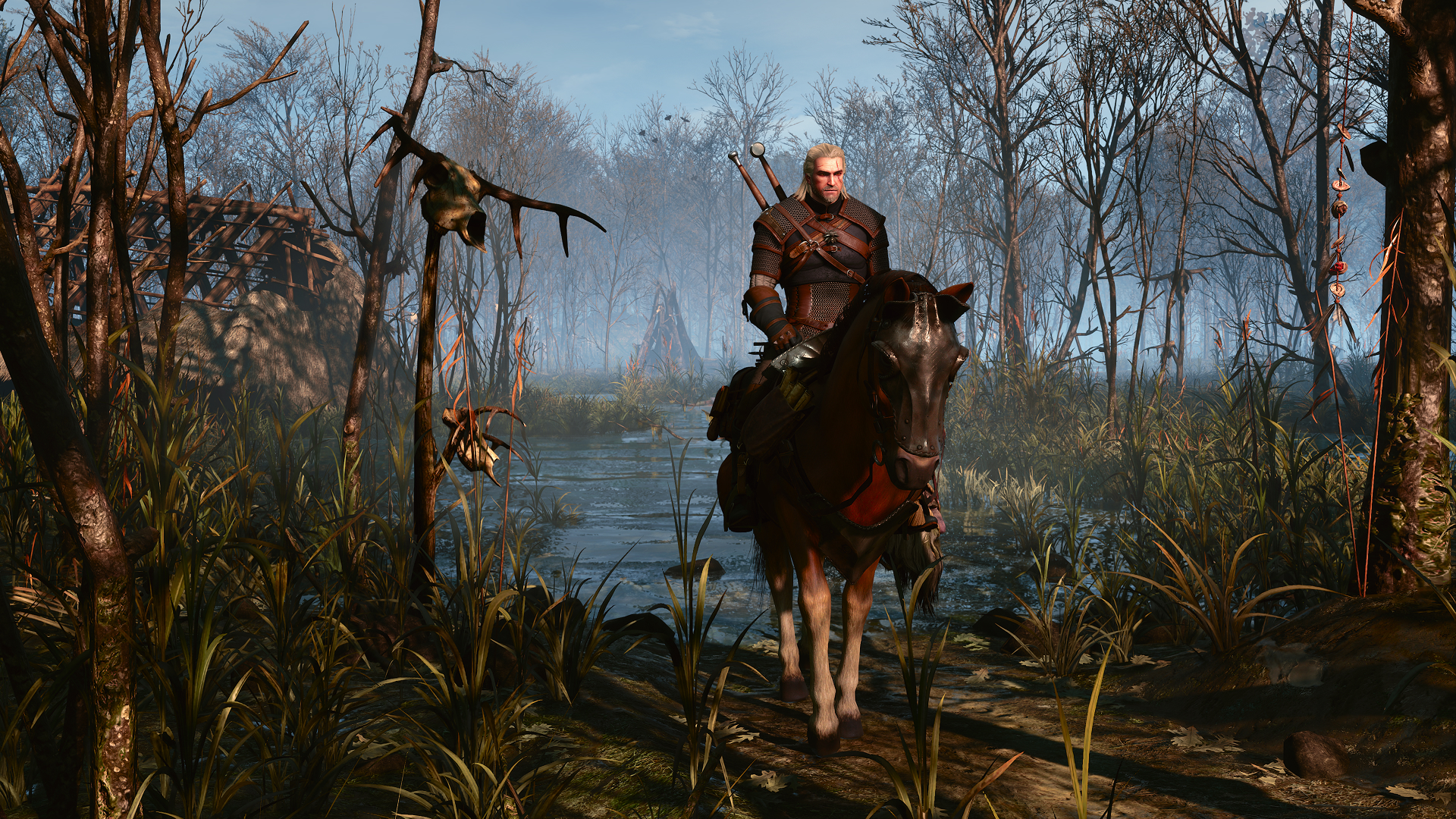
The Witcher 3 Characters: A Complete Guide to Key Figures and Allies
Dive into the complex world of The Witcher 3 characters. Learn about essential allies, key NPCs, and the roles they play in Geralt’s epic journey.
Published: The Witcher 3 Wiki Editorial Team
Table of Contents
The Continent is a dangerous place, but it is the people—and the monsters—who inhabit it that make the journey truly unforgettable. Whether you are a newcomer starting your adventure or a seasoned player returning to the game, understanding the intricate web of The Witcher 3 characters is essential for navigating the complex political landscape and the deeply personal stories that define this masterpiece.
In The Witcher 3, every interaction matters. From the kings of Skellige to the humble innkeepers of Velen, the characters you encounter are not just background noise; they are the architects of the narrative. This guide explores the most significant figures you will meet, how your choices impact their lives, and why these relationships are the heartbeat of your experience.
The Depth of The Witcher 3 Characters
Unlike many RPGs where NPCs serve as static quest-givers, the characters in The Witcher 3 feel alive. They have histories, motivations, and, most importantly, the ability to change based on your actions. When you play as Geralt of Rivia, you are not just a monster slayer; you are a mediator, a detective, and a friend.
The writing team at CD Projekt Red crafted a world where moral ambiguity is the standard. Very few characters are purely "good" or "evil." Understanding this is the key to navigating the game’s dialogue trees and making decisions that you can live with.
Character Archetypes and Roles
To help you categorize the massive cast, we can group them by their primary function within the narrative.
Archetype
Description
Key Examples
Main Allies
Characters closest to Geralt who drive the central plot.
Ciri, Yennefer, Triss, Vesemir
Political Figures
Power players who control the fate of the Continent.
Emhyr, Radovid, Dijkstra
Antagonists
Forces opposing Geralt, often the Wild Hunt.
Eredin, Imlerith, Caranthir
Tragic Figures
Characters whose stories are defined by loss and moral decay.
The Bloody Baron, Olgierd von Everec
Main Companions and Core Allies
Your journey is defined by the people you choose to trust. In The Witcher 3, your relationships with these core allies are not just flavor text; they determine the ending of the game and the fate of the world.
Geralt of Rivia
As the protagonist, Geralt is the lens through which we view the world. He is a Witcher—a mutant trained from childhood to kill monsters. However, his defining trait is his humanity. Throughout your playthrough, you will define his personality. Will he be the stoic professional, or will he show empathy to those society has cast aside?
Ciri (The Lion Cub of Cintra)
The search for Ciri is the primary motivation for the entire game. She is the "Child of Surprise" and the most powerful character in the narrative. Your interactions with her—how you support her and when you let her make her own choices—are the most critical decisions in the game.
The Sorceresses: Yennefer and Triss
The romance options in the game are legendary for their complexity. Yennefer of Vengerberg and Triss Merigold are not just potential partners; they are powerful figures in their own right, each with their own political agenda and deep history with Geralt.
Tip
Managing Relationships
Don't rush your dialogue choices with Yennefer or Triss. In The Witcher 3, "winning" a romance isn't just about picking the right dialogue option; it’s about consistent behavior throughout the game. Pay attention to their reactions, not just the quest rewards.
Political Players and Antagonists
The world of the game is in a state of constant flux due to the war between Nilfgaard and the Northern Kingdoms. The characters navigating this war are just as dangerous as the monsters you hunt.
Emperor Emhyr var Emreis
The ruler of the Nilfgaardian Empire, Emhyr is a man of absolute power. He is cold, calculating, and driven by a singular vision. Your interactions with him are high-stakes, and you will often find yourself acting as his agent, even if you despise his methods.
Sigismund Dijkstra
A master spy and former head of Redanian Intelligence, Dijkstra is one of the most intelligent characters in the game. He represents the "realpolitik" of the Continent. Dealing with him usually involves a delicate balance of favors, information, and potential betrayal.
The Wild Hunt
The primary antagonists, led by Eredin, are not just monsters—they are an existential threat. They represent the "cold and darkness" that Ciri fears. Unlike human antagonists, they have little room for negotiation.
Political Player
Primary Motivation
Faction
Emhyr var Emreis
Expansion and control
Nilfgaard
Radovid V
Extermination of magic
Redania
Sigismund Dijkstra
Wealth and influence
Independent/Redania
Crach an Craite
Honor and clan survival
Skellige
Memorable Side Characters
Some of the most powerful moments in the game come from characters who appear for only a single questline. These individuals often highlight the grim reality of life on the Continent.
The Bloody Baron (Phillip Strenger)
Perhaps the most discussed character in the community, the Bloody Baron is a masterclass in character writing. He is a man who has done terrible things, yet the game forces you to see his pain and his desire for redemption.
Keira Metz
A sorceress hiding in Velen, Keira’s story is one of survival. Depending on your choices, she can end up as a powerful ally, a casualty of war, or a tragic figure. Her questline serves as an excellent introduction to how your decisions have immediate, tangible consequences in the world.
Gaunter O'Dimm
Without spoiling too much, Gaunter O'Dimm is a character who redefines the concept of a "villain." He is subtle, omnipresent, and utterly terrifying. He proves that in this world, the most dangerous entities are not always the ones with the largest swords.
How to Navigate Character Interactions
Success in The Witcher 3 depends on your ability to read people. Here are a few tips for managing your interactions with the game's diverse cast:
Listen to the Subtext: Many characters, especially in political circles like Novigrad, will not tell you the truth directly. Pay attention to what they don't say.
Use Your Witcher Senses: When talking to people, look at their surroundings. Are they hiding something? Is there a weapon nearby? The environment often tells a story that the dialogue hides.
Choices Have Consequences: This is the golden rule. A decision made in the first act of the game can have massive repercussions in the final act. If you are unsure, save your game before starting a major dialogue sequence.
Q: Can I save every character in The Witcher 3?
A: No. The game is designed to force difficult choices. Some characters will inevitably meet tragic ends regardless of your intentions. This is part of the game's gritty, realistic tone.
Q: Who is the best romance option?
A: This is entirely subjective and depends on your preference. Both Yennefer and Triss offer distinct narrative paths, and neither is objectively "better." It comes down to which personality and history you find more compelling.
Q: How many major characters are in the game?
A: The Witcher 3 features hundreds of named characters. While there are a dozen or so "main" characters that drive the core plot, the sheer number of side characters, each with their own voice lines and backstories, is what makes the world feel so alive.
Q: Does playing the previous games change how I view these characters?
A: Yes, significantly. While The Witcher 3 is designed to be accessible to new players, having knowledge of Geralt’s past relationships and political history adds layers of depth to every conversation. However, the game provides enough context that you will not feel lost.