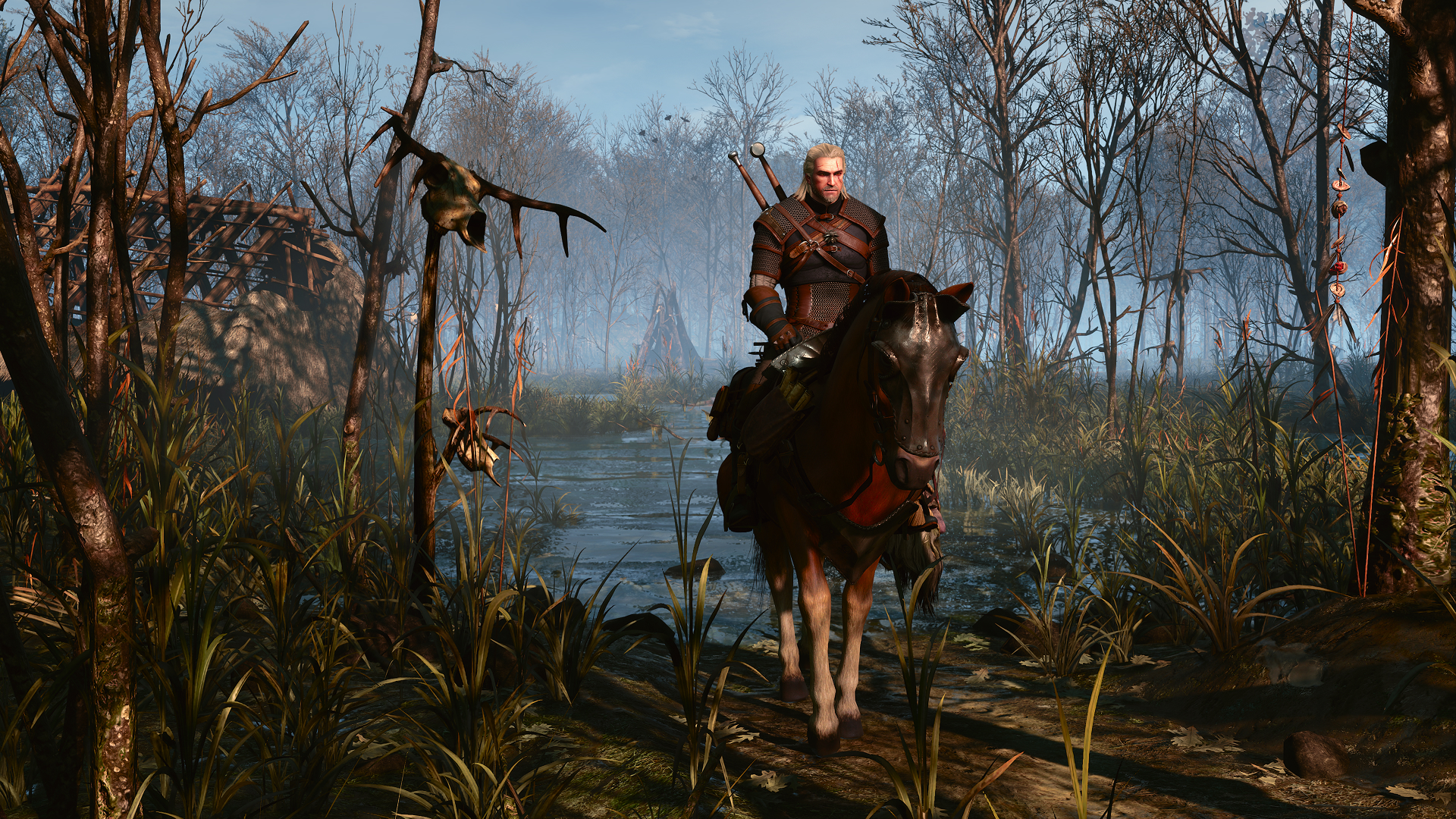
The Witcher 3 Geralt: Mastering the White Wolf’s Journey
Explore the depths of The Witcher 3 Geralt of Rivia. Learn combat strategies, character development, and essential tips for mastering this iconic RPG.
Updated: The Witcher 3 Wiki Editorial Team
Table of Contents
The Witcher 3 remains a titan in the action-RPG genre, primarily due to its complex protagonist, Geralt of Rivia. Understanding the nuances of The Witcher 3 Geralt is not just about lore; it is about mastering the mechanics that make him the Continent's most formidable monster slayer.
Whether you are a newcomer stepping into the shoes of the White Wolf or a veteran returning to the Path, optimizing your approach to combat and storytelling is crucial. This guide breaks down why your choices define the legend and how to maximize your efficiency in this sprawling open-world masterpiece.
Understanding the Combat Philosophy of Geralt
Geralt is not a traditional warrior; he is a professional. His combat style blends superhuman reflexes, alchemy, and swordplay. To play effectively, you must embrace the mantra that preparation is half the battle.
When facing monsters, the game requires you to utilize the Bestiary. Each creature has specific weaknesses, and ignoring these will often lead to a swift death on higher difficulties.
Preparation Step
Why It Matters
Blade Oils
Provides significant damage bonuses against specific monster types.
Potions
Boosts vitality, toxicity tolerance, or stamina regeneration.
Signs
Uses magic to stun, shield, or burn enemies to create openings.
Gear Maintenance
Ensures your steel and silver swords maintain maximum damage output.
The Two-Sword System
A common question among new players involves the sword system. Geralt carries two blades for a reason: steel for humans and non-magical threats, and silver for supernatural beasts. Using the wrong blade against a monster results in reduced damage, making encounters unnecessarily difficult. Always ensure your auto-draw settings are enabled or manually switch to ensure you are hitting with the appropriate metal.
Developing Your Witcher Build
Character progression in The Witcher 3 is flexible, allowing you to tailor Geralt to your preferred playstyle. The skill tree is divided into Combat, Signs, Alchemy, and General categories.
Tip
Focus on Synergy
Do not spread points too thin. Focus on maxing out one or two trees early to unlock powerful "mutagen" bonuses that significantly increase your stats.
Recommended Early-Game Skill Paths
Muscle Memory (Combat): Increases fast attack damage, which is essential for early skirmishes.
Quen (Signs): The most important sign for survival. Maxing this out provides a shield that absorbs damage, allowing for a "safety net" during boss fights.
Acquired Tolerance (Alchemy): Increases your maximum toxicity, allowing you to consume more potions during long combat sequences.
The Weight of Moral Choices
The narrative of The Witcher 3 Geralt is defined by the "grey areas." Unlike many RPGs, the game rarely presents clear-cut "good" or "evil" choices. Your decisions often have long-term consequences that ripple across the Continent.
Community reports frequently highlight the "Bloody Baron" questline as a perfect example. Your interaction with him changes the fate of entire villages and NPCs. When making decisions, consider the long-term impact rather than immediate rewards.
Consequences of Choice
Dialogue Choices: Some options lead to immediate combat, while others reveal hidden lore or shortcuts.
Neutrality: Remaining neutral is a core tenet of the Witcher code, but the game challenges you to decide when that code must be broken for the sake of those you love.
Companion Trust: How you treat characters like Yennefer and Triss directly impacts the game's multiple endings.
Essential Exploration and Survival Tips
The world is vast, and traversing it efficiently is key to maintaining a good pace. Use the official Steam store page to check for updates or community hubs where players share map markers for hidden Witcher gear sets.
Gear Sets Comparison
School
Primary Focus
Best For
Griffin
Sign Intensity
Magic-heavy builds
Cat
Fast Attack / Crit
DPS-focused players
Bear
Vitality / Defense
Tanky, slow-paced combat
Wolf
Balanced
Versatile hybrid playstyles
Always prioritize finding "Witcher Gear" diagrams. These sets can be upgraded throughout the game and offer the best protection and utility compared to standard loot found in random chests.
Mastering the Alchemy System
Many players overlook alchemy, but it is the secret to mastering "Death March" difficulty. Consumables like Thunderbolt, Swallow, and Tawny Owl are game-changers.
Collect Ingredients: Never pass up an herb or monster part. You only need to craft a potion once; after that, it replenishes automatically when you meditate using strong alcohol.
Monitor Toxicity: Keep an eye on your toxicity bar. If it goes too high, you will start losing health. Use the "White Honey" potion to clear toxicity if you have overindulged.
FAQ: Frequently Asked Questions
Q: Is The Witcher 3 Geralt the same in every version?
A: Yes, the core character remains the same, though the Remastered version features updated textures, ray tracing, and improved combat fluidity that makes controlling him feel more responsive.
Q: Why should I focus on signs as a beginner?
A: Signs like Quen provide defensive versatility, allowing you to survive mistakes while you learn the attack patterns of complex enemies.
Q: Can I change my build later in the game?
A: Yes. You can purchase a "Potion of Clearance" from specific merchants, which allows you to refund all spent skill points and reallocate them to try a new build.
Q: What is the best way to make gold?
A: Loot everything. Sell swords to blacksmiths and armor to armorers for the best prices. Community players often suggest clearing out bandit camps and selling their gear to maximize income early on.