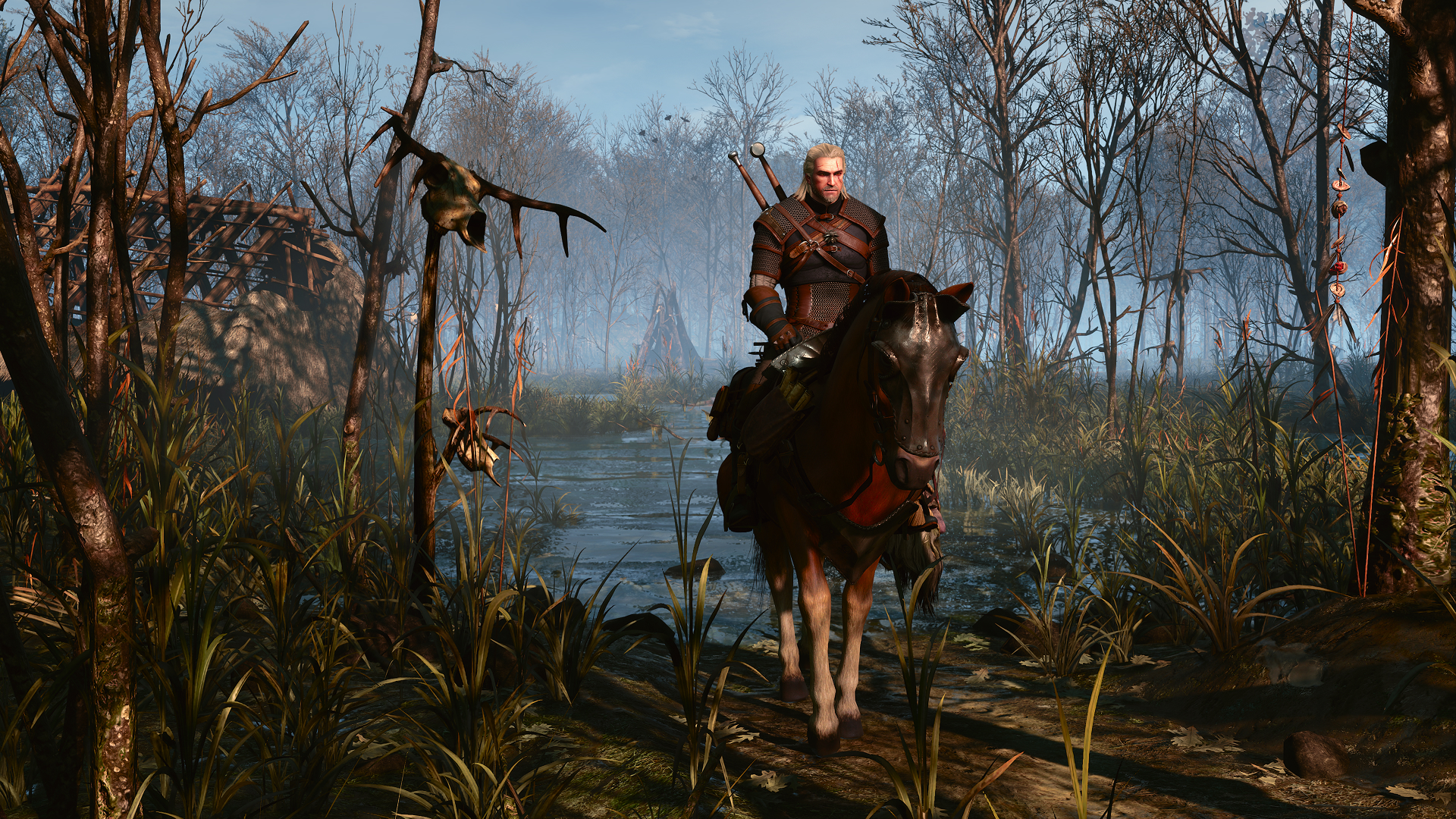
The Witcher 3 Remastered Changes: Everything You Need to Know
Discover all the major The Witcher 3 remastered changes, from combat overhauls and visual upgrades to new accessibility features and skill tree updates.
Updated: The Witcher 3 Wiki Editorial Team
Table of Contents
The return to the Continent has never been more immersive, thanks to the comprehensive updates introduced in the latest release. Whether you are a veteran of the path or a newcomer, understanding the significant The Witcher 3 remastered changes is essential for maximizing your experience in this legendary RPG.
CD PROJEKT RED has transformed the 2015 classic, ensuring that The Witcher 3 feels like a modern masterpiece designed for today’s hardware. From tactical combat refinements to a complete overhaul of the progression system, these updates significantly impact how you navigate Geralt’s journey.
Combat Overhauls and Mechanical Refinements
One of the most requested improvements in the history of the franchise was the modernization of combat. In the past, players often found the swordplay slightly clunky or unresponsive. Now, the combat system has been fully reworked to deliver a more dynamic flow.
The new combat mechanics prioritize fluidity and responsiveness. Geralt’s animations are now more seamless, and target switching is significantly more intuitive. Furthermore, the introduction of dynamic cameras ensures better visibility during chaotic encounters, especially against large monsters.
Key Combat and Movement Enhancements
Feature
Original System
Remastered System
Animation Flow
Stiff transitions
Fluid, modern motion
Traversal
Clunky climbing/vaulting
Responsive, natural navigation
Roach Control
Unpredictable
Intelligent pathing/auto-weave
Combat Camera
Static/Manual
Dynamic adaptive FOV
Beyond the swordplay, your trusty steed Roach has received a massive handling upgrade. Players no longer need to wrestle with the horse’s pathing in dense forests, as the new smart navigation automatically helps you avoid obstacles. You can also loot herbs directly from the saddle, saving valuable time during long exploration sessions.
Visual Overhaul and PC-Specific Features
The graphical fidelity of The Witcher 3 has reached a new peak. The developers have implemented a modernized lighting engine, reworked environment textures, and improved NPCs to make the world of The Witcher 3 truly breathtaking.
For PC players, the jump in visual quality is particularly striking. The implementation of path tracing creates physically accurate lighting that goes far beyond traditional ray tracing. By using AI upscaling technologies, the game achieves remarkable detail in every scene, from individual strands of hair catching the light to complex reflections on water surfaces.
Tip
Optimize Your Hardware
If you are playing on PC, ensure your drivers are updated for NVIDIA DLSS 4.5, AMD FSR 4, or Intel XeSS 2.0 to maintain a high frame rate while utilizing high-end features like ray reconstruction.
The Reimagined Skill Tree and Progression
The progression system has been rebuilt from the ground up, moving away from the rigid 2015 design. The new skill tree is heavily inspired by the interconnected branch system found in Cyberpunk 2077, allowing for more creative and diverse character builds from the very early stages of the game.
Progression System Changes
Skill Layout: Skills are now organized into three-rank tiers.
Prerequisites: Unlocking new abilities relies on interconnected trees rather than total point counts.
Reset Mechanics: Note that your skill points will be automatically reset upon starting the update to accommodate the new structure.
Flexibility: Advanced build options are now accessible much earlier, encouraging experimentation with Signs and alchemy builds.
Accessibility and Quality of Life Updates
CD PROJEKT RED has made it clear that this version of The Witcher 3 is designed for everyone. The new "Bard’s Ballad" accessibility preset is a game-changer for those who want to focus on the narrative without being hindered by repetitive manual tasks.
According to community reports, players are particularly praising the ability to toggle features like infinite breath, unlimited boat durability, and automatic loot collection. These options are not "difficulty modes" in the traditional sense; they are convenience settings that reduce cognitive load, allowing players to tailor the experience to their specific needs.
QoL Feature
Impact
Loot Grouping
Reduces time spent in inventory menus
Auto-Looting
Eliminates repetitive clicking on corpses
Meditation
Replaced UI screen with immersive real-time time-lapse
Compass Markers
Enhanced map clarity for tracking multiple quests
Modding and Platform Integration
For those who love to customize their playthroughs, the new in-game cross-platform mod manager is a major highlight. By connecting your official account to mod.io, you can now access a curated library of community creations across PC, Xbox, and PlayStation.
As noted by the official CD PROJEKT RED website, this system is designed to bridge the gap between platforms, allowing console users to enjoy high-quality mods that were previously restricted to PC players.
FAQ: Common Questions About The Witcher 3
Q: Do I need to buy the game again to see these changes?
A: No, if you own the base game, you can upgrade for free to the remastered version within the same platform ecosystem.
Q: Can I turn off the new accessibility features?
A: Yes, all accessibility options, including the Bard's Ballad preset, are fully toggleable at any time from the settings menu.
Q: How do the new The Witcher 3 remastered changes affect my old save files?
A: While your progress remains, your skill points will be reset to accommodate the new skill tree layout, and some quest-specific fixes may require loading an earlier save if you were previously stuck.
Q: Is there any difference in visual quality between consoles?
A: Each platform has unique optimizations. For example, the PS5 Pro version introduces PSSR for better visual fidelity, while Xbox users benefit from Play Anywhere support between console and PC.