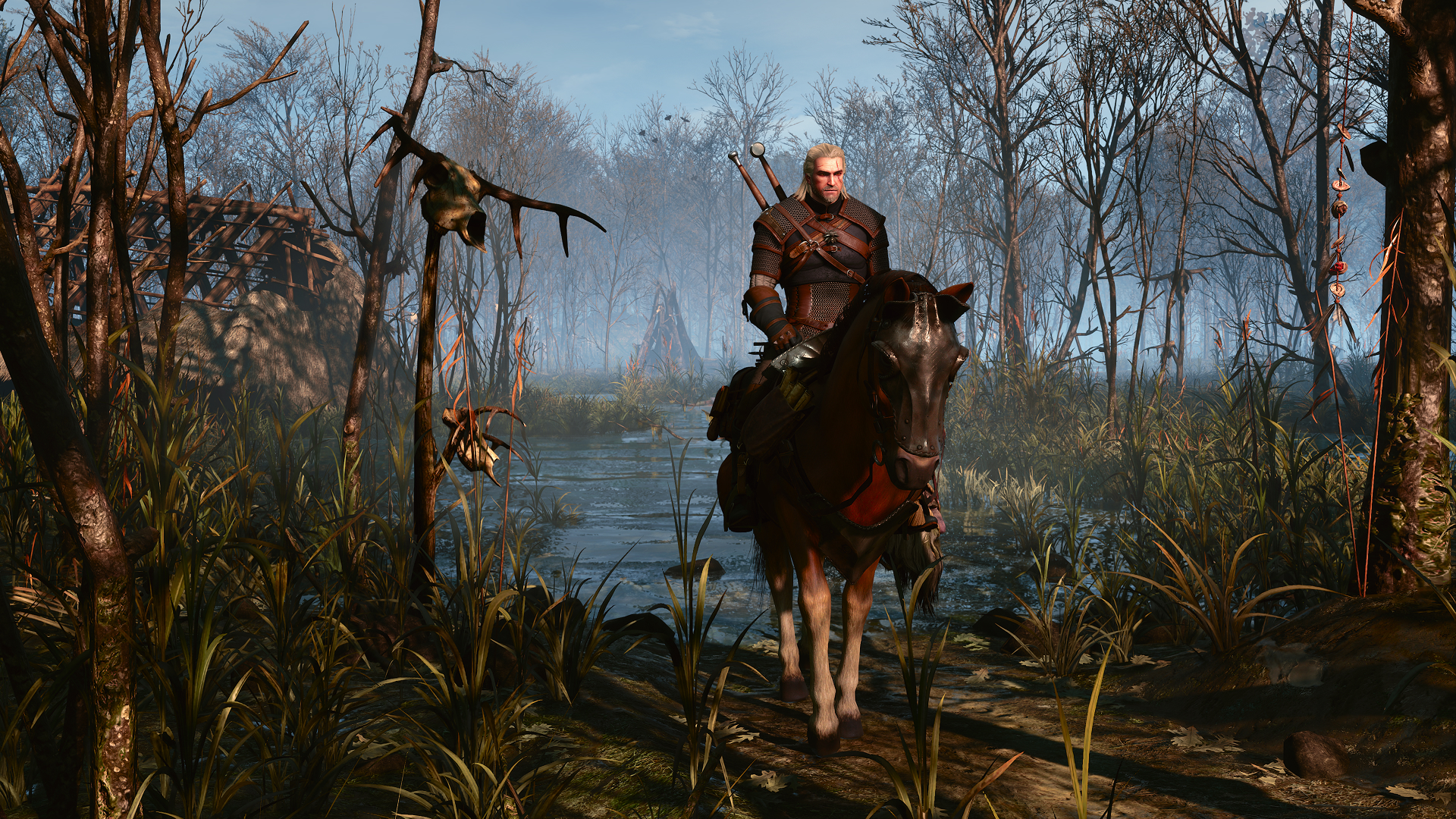
The Witcher 3 on PS4: Legacy Edition and Remastered Availability
PS4 supports the legacy Witcher 3 edition, not the 2026 Remastered release. Compare platform availability and learn essential combat and alchemy tips.
Updated: The Witcher 3 Wiki Editorial Team
Table of Contents
The Witcher 3 stands as a towering achievement in the open-world RPG genre, inviting players into a gritty, morally ambiguous fantasy realm where every choice carries weight. Whether you are a newcomer starting your journey or a veteran returning to the Path, mastering The Witcher 3 requires more than just button-mashing; it demands an understanding of preparation, character progression, and the deep interconnected systems that define Geralt’s world.
Understanding the mechanics of The Witcher 3 is crucial for survival. From managing your inventory to learning which oils to apply before a monster hunt, the game rewards those who take the time to prepare. In this guide, we dive deep into the essential systems that will transform your experience from a struggling traveler into a legendary monster slayer.
Understanding Combat and Defense Mechanics
Combat in The Witcher 3 is rhythmic and demands precision. Players often struggle because they treat it like a simple action game, but it is actually a tactical experience. Your defense is just as important as your offensive output.
Essential Combat Tactics
The Dodge-Roll Distinction: Use the "dodge" (small step) for most humanoids and smaller beasts to stay close for counter-attacks. Reserve the "roll" for repositioning against large monsters or area-of-effect attacks.
Sword Selection: Always keep your steel sword for humans and animals, and your silver sword for monsters. Using the wrong weapon results in a significant damage penalty.
Sign Usage: Quen is your most valuable asset. It provides a shield that absorbs damage, acting as a vital safety net while you learn enemy attack patterns.
Action
Best Used Against
Reason
Light Attack
Humans/Fast enemies
Faster, lower risk of being interrupted
Heavy Attack
Armored foes
Breaks guards and deals high raw damage
Parry
Human opponents
Opens the enemy up for a counter-strike
Quen Sign
All enemies
Provides a damage-absorbing safety shield
Tip
Combat Efficiency
Don't rely solely on heavy attacks. Light attacks are faster and keep your stamina recovery consistent, allowing you to cast signs more frequently between strikes.
Efficient Exploration and Quest Management
The open world of The Witcher 3 is massive, and it can be overwhelming for beginners. The map is divided into regions like Velen, Novigrad, and Skellige, each with specific level requirements that you should respect to avoid being overwhelmed by high-level threats.
Strategic Exploration Tips
Clear the Boards: Always visit notice boards in new towns. They populate your map with essential quests and monster contracts that provide the XP needed for leveling up.
Side Quest Priority: According to community reports, engaging in side quests early is the best way to gain levels and learn game mechanics. You will find it much easier to tackle the main story once you have better gear and higher character levels.
Utilize Fast Travel: Use green signposts to navigate the world efficiently. When traveling on main roads, hold the gallop button to enter "auto-run" mode, which prevents your horse, Roach, from depleting stamina.
Region
Recommended Tier
Purpose
Velen
Early Game
Primary base for starting quests and finding gear
Novigrad
Mid Game
Urban exploration, Gwent, and main story progression
Skellige
Late Game
High-level monster hunts and advanced equipment
Mastering Alchemy and Character Builds
Many players ignore the alchemy system, but it is a game-changer. Potions like "Swallow" are essential for health regeneration during long battles. You do not need to hoard ingredients; crafted potions and bombs can be replenished by meditating with strong alcohol in your inventory. Oils do not use that refill mechanic; reapply the appropriate oil to your sword.
Character Progression Strategy
Focus on Signs and Combat: For a balanced build, invest skill points into combat (specifically light attack damage) and your favorite signs (Quen and Axii are highly recommended for story manipulation).
Mutagens: Don't forget to equip mutagens in your character menu. Matching the color of the mutagen to the skill tree branch (e.g., Red for Combat) provides a massive stat boost.
Inventory Management: Sell or dismantle unnecessary items at blacksmiths. A cluttered inventory not only slows you down but also forces you to dump items to save space, potentially wasting valuable materials.
The Importance of the Bestiary
The Bestiary is arguably the most underutilized tool in the game. Before heading into a boss fight or a difficult contract, open the menu and check the creature's entry. It will explicitly list the oils, signs, and bombs to which the monster is vulnerable. Utilizing this information makes even the toughest encounters manageable.
Warning
Preparation is Key
Entering a monster's lair without consulting the Bestiary is a common mistake. You may find yourself dealing minimal damage simply because you didn't apply the correct blade oil.
PS4 Performance and Technical Considerations
For players on the PS4, it is worth noting that while the game remains a masterpiece, technical performance can vary. Some users have reported frame rate fluctuations during intense combat scenes. Ensure your console's ventilation is clear and manage your save files periodically to maintain smooth performance throughout your playthrough. For the most updated features and visual improvements, current-gen hardware provides the definitive experience, but The Witcher 3 remains a classic on all platforms.
Q: Should I do all side quests before the main story in The Witcher 3?
A: Yes. Engaging in side quests and contracts helps you gain experience and items, making the main story missions significantly easier to complete.
Q: Why does my sword deal so little damage to some enemies?
A: You are likely using the wrong sword. Always use the steel sword for humans and animals, and the silver sword for monsters. Check the health bar color to identify the enemy type.
Q: How do I heal during combat?
A: Use potions like "Swallow" for health regeneration, or eat food items. Additionally, Quen is a vital defensive sign that prevents damage, allowing you to survive long enough for your health to regenerate.
Q: Is The Witcher 3 difficult for beginners?
A: The game has a learning curve, especially with combat and alchemy. However, by focusing on side quests, reading the Bestiary, and mastering defensive dodging, any player can become a master.