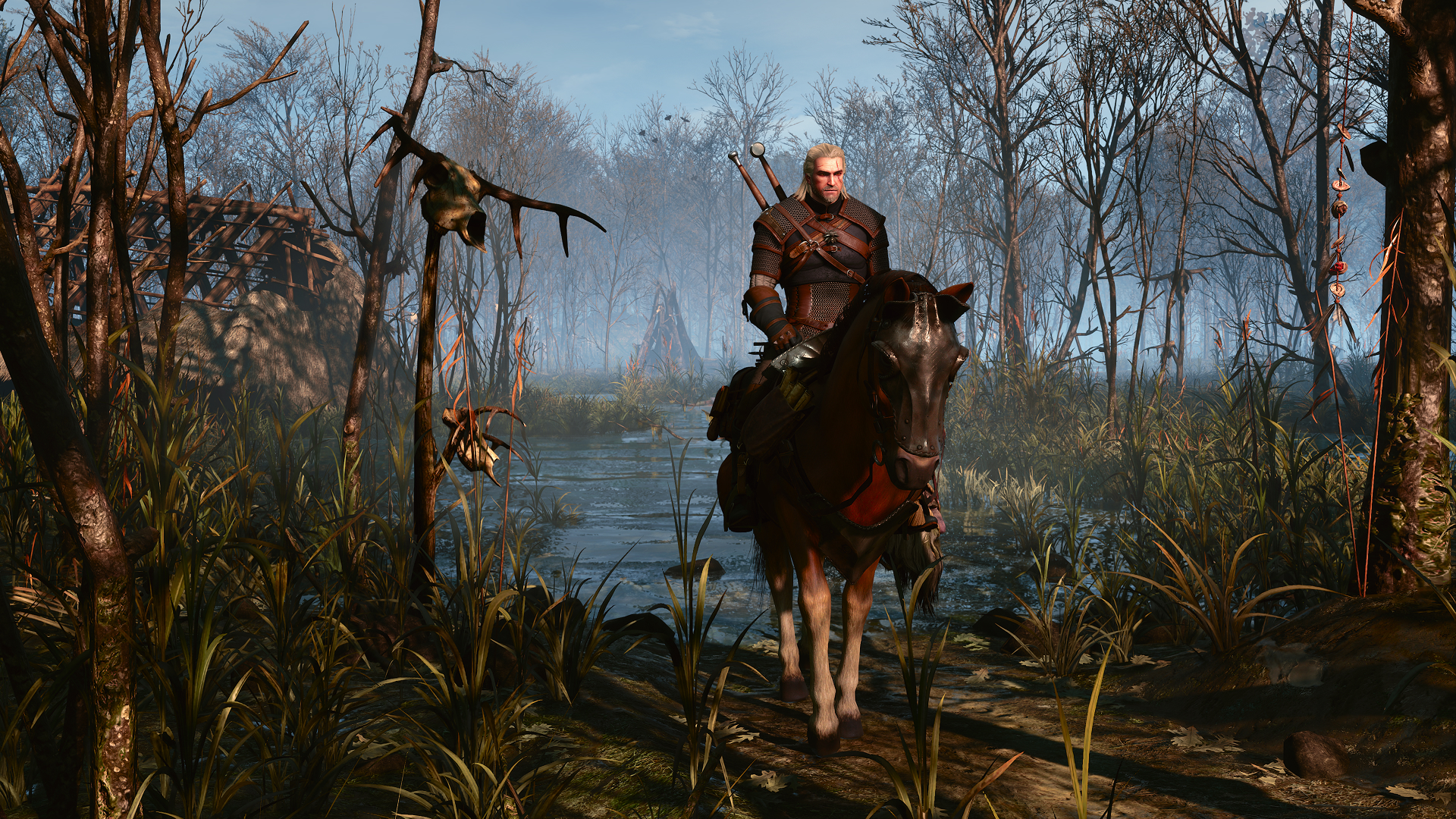
The Witcher 3 Blood and Wine: A Complete Guide to Toussaint
Discover everything you need to know about The Witcher 3 Blood and Wine. From main quest duration to new mutation mechanics, master this legendary expansion today.
Updated: The Witcher 3 Wiki Editorial Team
Table of Contents
Stepping into the vibrant, sun-drenched region of Toussaint feels like waking up from a long, grim nightmare into a fairytale. As the final major expansion for the base game, The Witcher 3 blood and wine offers a masterclass in how to conclude a legendary saga, providing a massive new map and a sophisticated narrative that rivals any standalone RPG.
Whether you are a veteran monster hunter or returning to the path after a long hiatus, this expansion is essential for any fan of the series. Understanding how to navigate the complexities of this new duchy—from its political intrigue to its deadly new threats—is key to ensuring Geralt’s final chapter is as triumphant as possible.
Getting Started: Accessing the Expansion
You don't need to finish your current playthrough to dive into the content, though it is highly recommended to have a solid grasp of the game's mechanics. CD Projekt Red provided two primary ways to begin your journey, ensuring flexibility for every player type.
Method
Description
Best For
Existing Save
Visit a notice board in Velen or Novigrad to pick up the quest.
Players who want to continue their current story arc.
New Game Save
Select the expansion from the main menu.
Players who want an immediate jump into the new content.
Tip
Level Requirements
If you choose to start a dedicated Blood and Wine save, the game will automatically boost Geralt to level 34 and provide the necessary gear to survive the initial encounters. Always check your loadout before leaving for Toussaint.
Exploring Toussaint: The Land of Love and Wine
Toussaint is roughly one-third the size of the base game's map, but it is far more densely packed with content. Unlike the war-torn Velen, this region is a high-fantasy dreamscape that hides a dark, bloody underside.
According to community reports, players should expect well over 25 hours of total gameplay if they intend to complete the main quest, side quests, and monster contracts. The main questline alone provides roughly 10 hours of focused narrative.
Key Features of the Expansion
A Personal Vineyard: Geralt receives a home base that can be upgraded with various utilities.
New Mutation System: Completely changes how you use Signs, allowing for critical hits and elemental explosions.
Armor Dye Mechanic: Customize the aesthetics of your Witcher gear.
New Monster Types: Over 20 unique creatures await, requiring new tactical approaches.
Mastering the New Combat Mechanics
The combat in The Witcher 3 blood and wine remains familiar, yet the addition of the mutation system adds a layer of depth that changes the flow of battle. By investing points into these mutations, you can transform standard Signs into devastating offensive tools.
For example, the "Piercing Cold" mutation allows Aard to freeze enemies instantly, leading to an automatic death if they shatter upon impact. This is particularly effective against the swarming vampire types found in the region.
The Vineyard Estate: Your New Home
One of the most requested features by fans—a home base for Geralt—is finally realized here. This estate is not just for show; it serves as a functional hub for your late-game progression.
Upgrade
Benefit
Armor Bench
Grants a temporary armor enhancement; it is not a durability-repair service.
Grindstone
Provides a temporary damage boost to your silver and steel swords.
Stable
Increases Roach's stamina and overall efficiency.
Bed
Sleeping provides a temporary Vitality boost.
Investing in these upgrades is highly recommended. Not only do they provide functional buffs, but they also offer a sense of closure, allowing Geralt to finally have a place to rest after a long career of monster hunting.
Tactical Decisions and Narrative Paths
The narrative complexity in this expansion is renowned. Your choices during the main quest will have lasting consequences for the region of Toussaint and its inhabitants. Community discussions often center on the three distinct endings, which depend heavily on whether you choose to rescue Syanna or pursue the Unseen Elder.
If you choose to free Syanna, you will unlock a path that leads to a deep dive into the duchess's personal history. Conversely, seeking the Unseen Elder provides a more combat-focused, intense experience. Both paths are valid, but they offer vastly different perspectives on the moral ambiguity that defines the Witcher universe.
For those interested in the official details and platform compatibility, you can find more information on the official Steam store page.
FAQ: Frequently Asked Questions
Q: Do I need to finish the main game before playing The Witcher 3 blood and wine?
A: While it is not strictly required, the expansion is designed as an end-game experience. It is recommended to be at least level 34 to handle the challenges presented in Toussaint.
Q: How do I get the new armor dyes?
A: You can find dyes as loot throughout Toussaint, purchase them from specialized merchants, or craft them using rare ingredients found in the region.
Q: Is the new gwent deck available immediately?
A: Yes, you can start collecting the Skellige Gwent deck as soon as you arrive in Toussaint and begin interacting with local players.
Q: Does the expansion change the base game's ending?
A: No, the events in this expansion are standalone and do not alter the main game's ending, though your choices in the base game may influence which character visits your vineyard at the end of the expansion.